


- Home
- From Traditional Building Maintenance Units to Paris Proof: How PwC Gained Space and Energy
- All
- Knowledge center
Tags :
From Traditional Building Maintenance Units to Paris Proof: How PwC Gained Space and Energy
The newly renovated PwC office has officially opened and it immediately sets a new benchmark. As the first fully Paris Proof PwC office, this project demonstrates how sustainability, technology, and design come together in future proof real estate.
But what makes this project particularly interesting?
Not just what was added (such as 3,200 solar panels), but especially what was removed.
1. Removing outdated systems, gaining space and efficiency
As part of the building’s sustainability upgrade, the traditional building maintenance units were removed. These systems were outdated, occupied significant roof space, and required intensive maintenance.
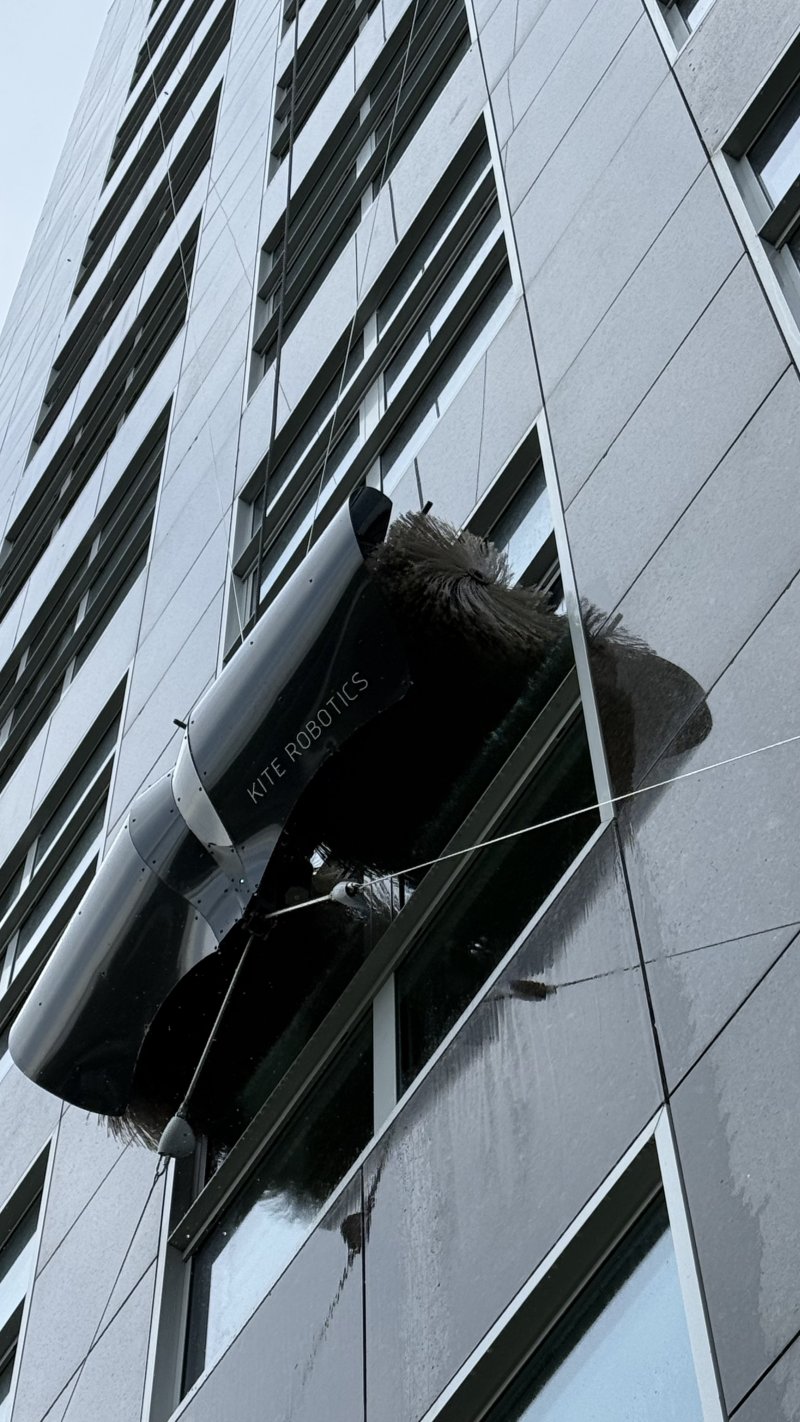
By replacing them with KITE’s cleaning robot, the project immediately achieved:
- more usable roof space
- reduced technical complexity
- a more efficient and future-proof solution
And this proved crucial for the next step.
2. Creating more space for solar energy
The roof of Westgate II plays a key role in the building’s sustainability strategy. With no less than 3,200 solar panels, the building generates up to 1,000,000 kWh of energy annually.
What is often underestimated: traditional building maintenance units significantly limit available roof space. By choosing KITE:
- large installations were eliminated
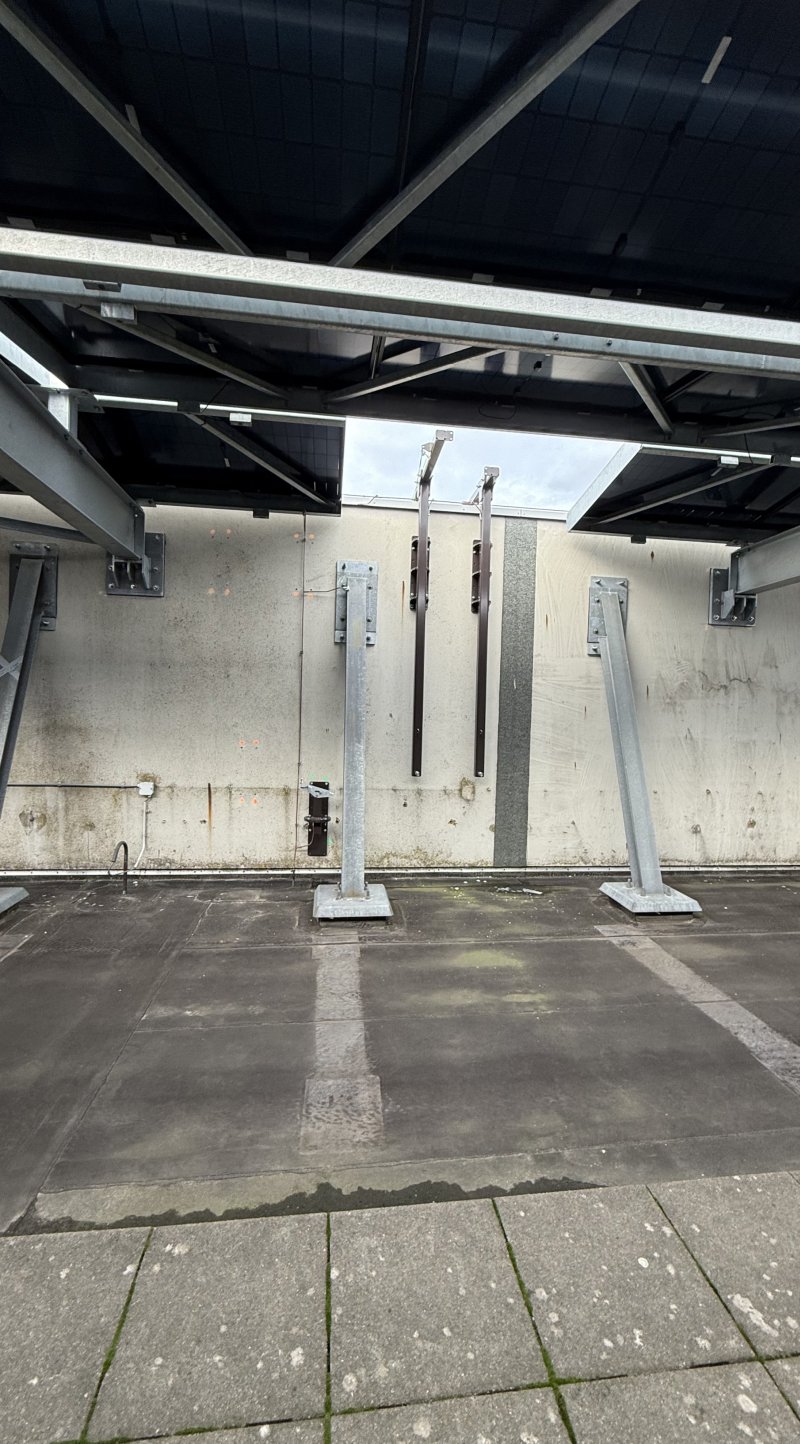
- anchor points require minimal space
- the roof remains fully available for PV panels
In this project, the positioning of the KITE systems was even carefully coordinated with the roof and solar designers. The result: maximum energy yield without compromise.
3. Smart integration from the design phase
A key success factor in this project was collaboration. Together with partners such as PwC Netherlands, Quest Investment Partners GmbH, NEW NRG Real Estate, Van Zoelen, IMd Raadgevende Ingenieurs and Kraaijvanger Architects, the team explored the optimal balance between technology, aesthetics, sustainability, and usability.
By involving KITE early in the design phase, the systems could be seamlessly integrated without impacting other installations. This avoids compromises later and ultimately results in a better building.
4. Safety as a starting point
One of the biggest advantages of robotic facade cleaning is safety.
Where traditional methods rely on people working at height on the facade, KITE offers:
- no people suspended from the facade
- no height-related risks
- a fully automated process
Inherently safe, without reliance on external factors. For property managers and facility teams, this means less risk, less liability, and greater peace of mind.
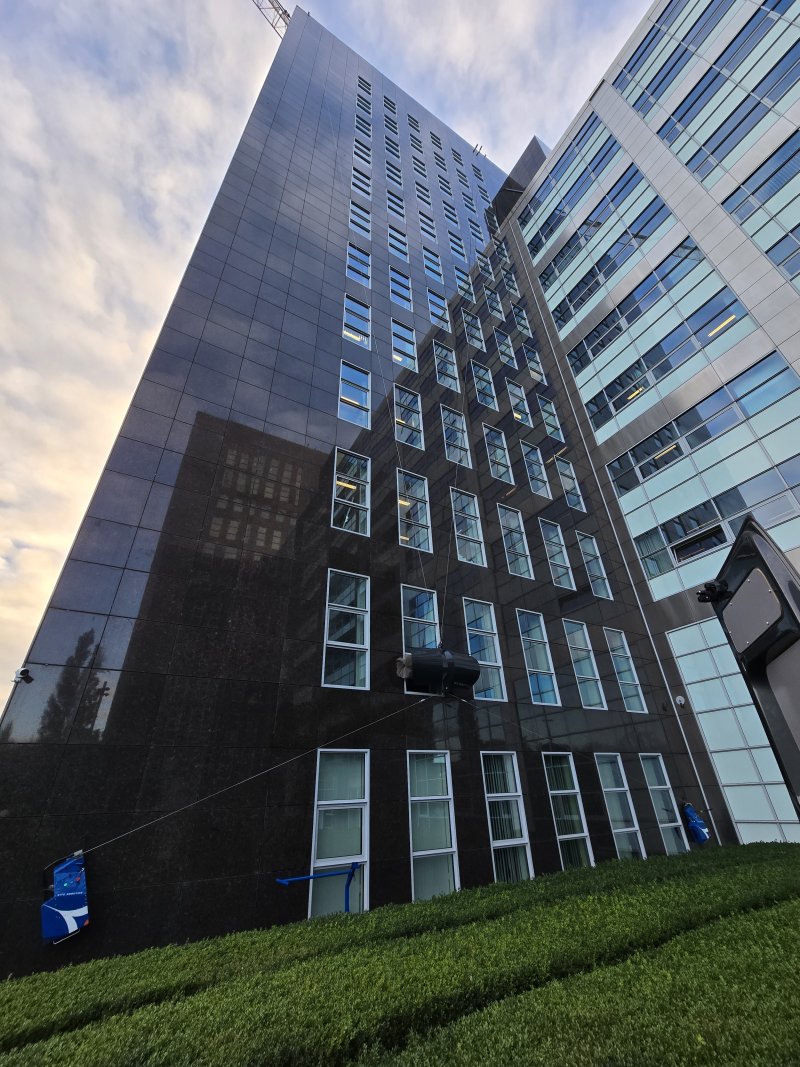
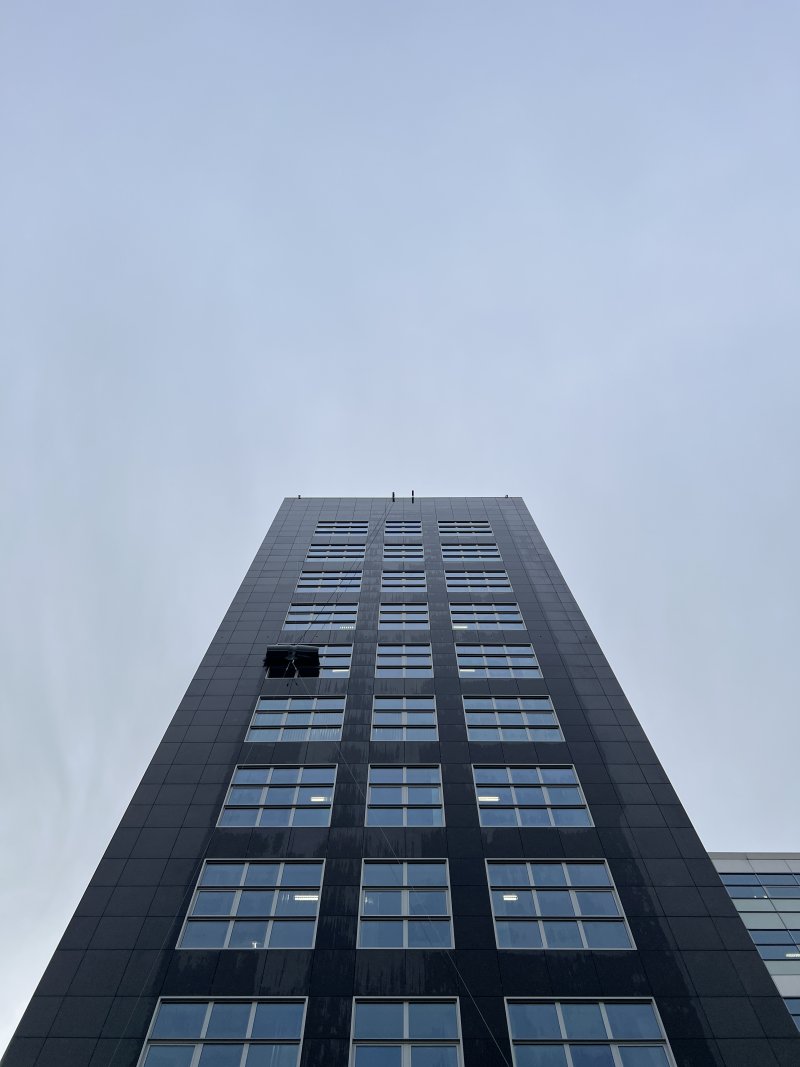
The PwC headquarters now meets the Paris Proof standard, thanks in part to Kite’s window cleaning robot.
5. Sustainability impact
Beyond space and safety, energy efficiency plays a major role. The KITE solution delivers:
- up to 80% energy savings compared to traditional methods
- more efficient use of resources
- lower operational costs
In a building designed according to the Paris Proof standard (maximum energy consumption of 70 kWh/m² per year), every saving counts. Additionally, this approach significantly reduces environmental impact:
- far less water consumption
- no soap or chemical use
- no pollution or residue on the facade
This aligns perfectly with the project’s broader sustainability ambitions.
6. Paris Proof as the new standard
The PwC office in Amsterdam demonstrates what is possible when sustainability is the starting point. Through measures such as optimization of building systems, implementation of LED lighting, use of thermal energy storage and large-scale pv, energy consumption has been reduced by approximately 60% (equivalent to 600 households).
Smart solutions like the facade cleaning robot directly contribute to this achievement.
-
Share on :


7. What does this mean for your project?
This project proves that sustainable choices go beyond energy generation alone. The real impact lies in:
- smart system integration
- efficient use of space
- eliminating outdated solutions
For developers, architects, and real estate managers, this presents a clear opportunity:
don’t just think about what you add but also about what you can remove or replace.
Curious how to create more usable roof space, implement safe and sustainable facade maintenance, and contribute to your energy and environmental goals?
Explore our technology and projects or get in touch for a concrete analysis of your building.
Together, we make buildings smarter, safer, and more sustainable.